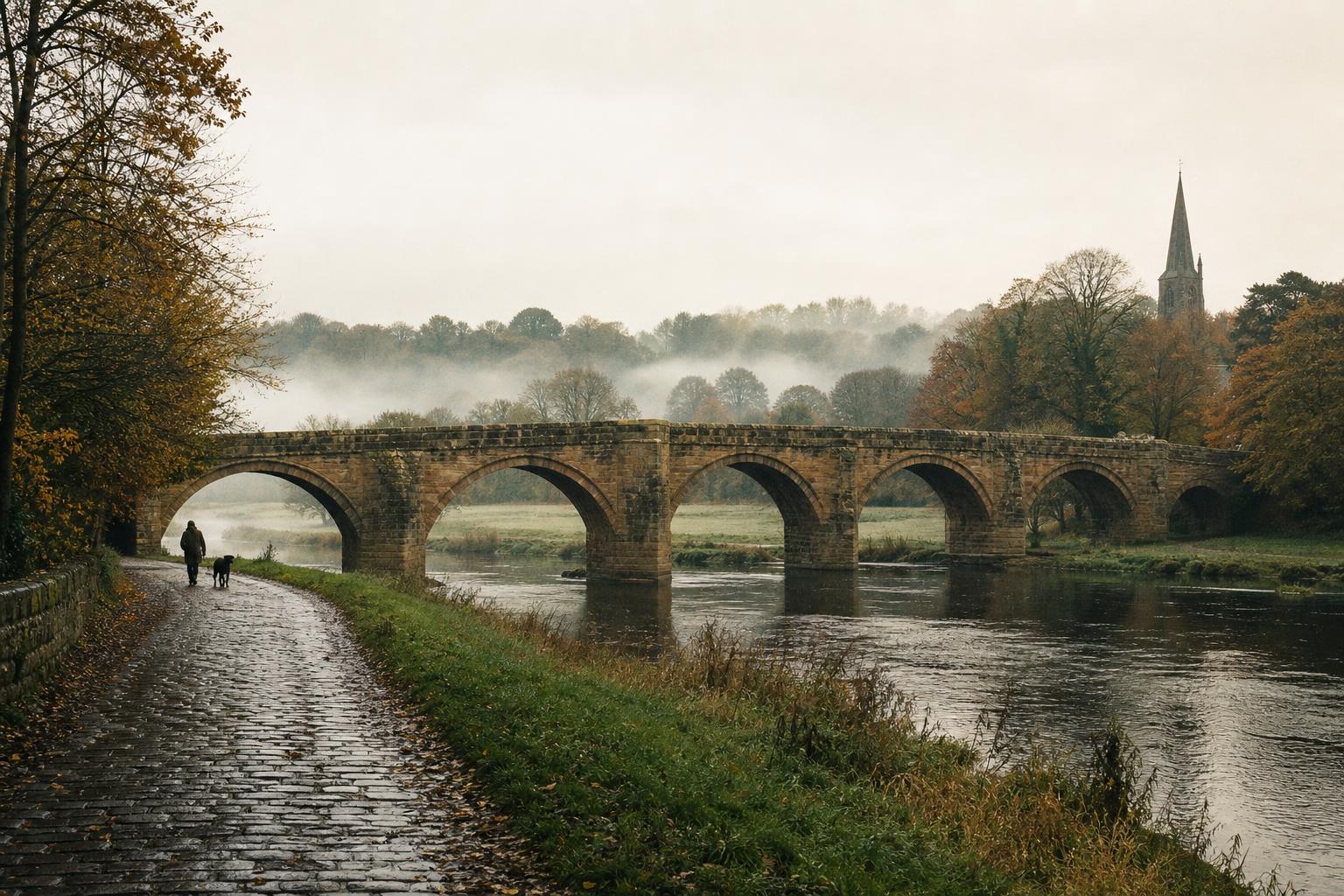
Farndon is a small Cheshire village on the eastern bank of the River Dee, opposite the Welsh village of Holt. The two are joined by a sandstone bridge first thrown across the river in 1338 and rebuilt many times since. Farndon Charities is the umbrella, formed under a Charity Commission Scheme in 1962, of four older bequests that had each been administered separately by trustees of the parish for centuries before that. The oldest of the four — the Poor's Allotment — dates to 1722. The newest — the Sick & Aged Fund — was constituted at the time of the amalgamation itself.
We exist for one purpose, taken word-for-word from the governing Scheme: the relief of the poor living within the parish of Farndon in the county of Cheshire. The Charity Commission record, which is public at charity number 219005, summarises us in a single sentence: “This usually takes the form of making small single grants.” That is exactly what we do. Most of our grants are between £40 and £300, paid by cheque or bank transfer, decided around a kitchen table.
How we are constituted
Farndon Charities is an unincorporated umbrella charity. We are governed by a Scheme made by the Charity Commission in 1962 and revised, in small ways, in 1987 and again in 2004. The Scheme brought together four older parish bequests under a common board of three trustees, while preserving the original conditions attached to each fund. So, for example, the Coal & Bread Charity (bequeathed by Hannah Yarwood in 1840) is still administered with a slight bias toward winter need; the Apprentice Bequest (1891) is still restricted to young people entering trades or training.
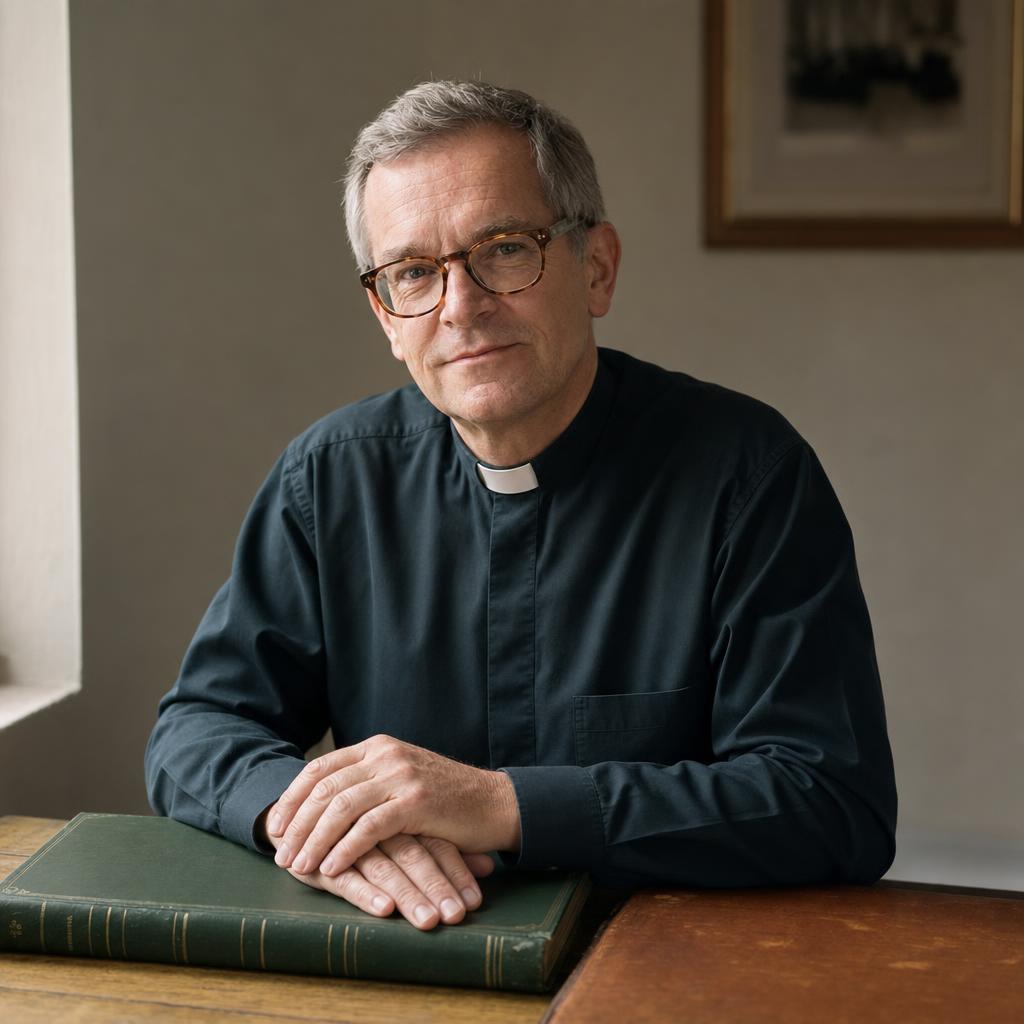
The trustees are the legal custodians of the charity. They have no salary and claim no expenses other than postage and the occasional ream of paper. The chair has historically been the incumbent of the parish church of St Chad's, an ex officio appointment written into the 1962 Scheme. The other two trustees are appointed by the parish meeting and serve four-year renewable terms.
What our scale really is
It is important to be honest about size, because so many charity websites are not. Our annual income, across the four funds combined, has averaged about £4,200 in the last decade — the rent and modest investment income of small historic endowments. Our expenditure in a typical year is broadly the same. We have no employees. We have no premises beyond the trustees' own homes, the church vestry where the cheque-book lives, and the Memorial Hall where we meet the parish once a year.
Our latest reported financial year — the year to 31 March 2025 — was unusually quiet. Recorded income and expenditure each came to zero. This is not as alarming as it sounds: a small charity of our kind moves in waves, and a particularly active 2023–24 (we paid out close to nine thousand pounds in winter relief and apprentice grants that year) was followed by a year in which the trustees deliberately rebuilt the reserve. We expect ordinary giving to resume in 2026.
We are not in the business of growing. We are in the business of being here, quietly, when a Farndon household needs us.
What we are not
We are not a service-delivery charity. We do not run a foodbank, a befriending scheme, or a community centre, though we are deeply grateful for the people in this parish who do. We are not a grant-making trust at the larger scale either — we cannot fund organisations or projects in any meaningful sum. We are the small, slow, in-parish instrument; the kind of charity the Victorians would have called a parochial trust, and the kind that has all but disappeared from England's ecclesiastical map. We are happy to still be here.